What structural issues can arise from untreated water damage?
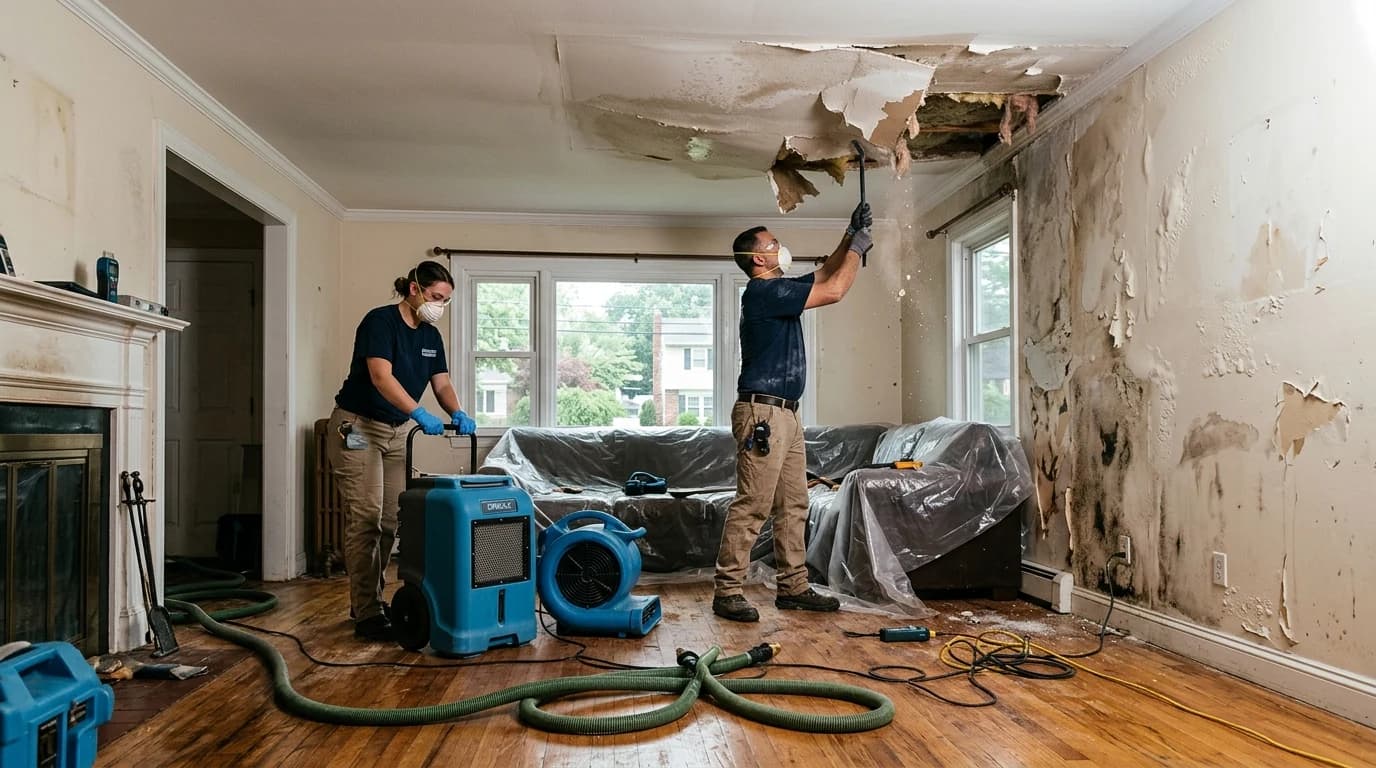
Untreated water damage can compromise the structural integrity of your home in several ways. Water intrusion affects materials like wood, drywall, and concrete, causing them to deteriorate over time. Wood, for instance, is particularly vulnerable to rot when exposed to moisture, leading to sagging ceilings and warped floors. The longer the exposure, the more severe the degradation, potentially resulting in compromised load-bearing structures. In Fort Lee, homes are particularly at risk due to weather conditions that exacerbate existing water damage, such as heavy rains and snowmelt. Moreover, water can seep into the foundation, causing cracks and destabilization, which are costly to repair. Moisture can also lead to corrosion in metal components, weakening support beams and fasteners. Acting quickly to address water damage can prevent these costly repairs and ensure the safety of your home.
Are there health risks associated with untreated water damage?
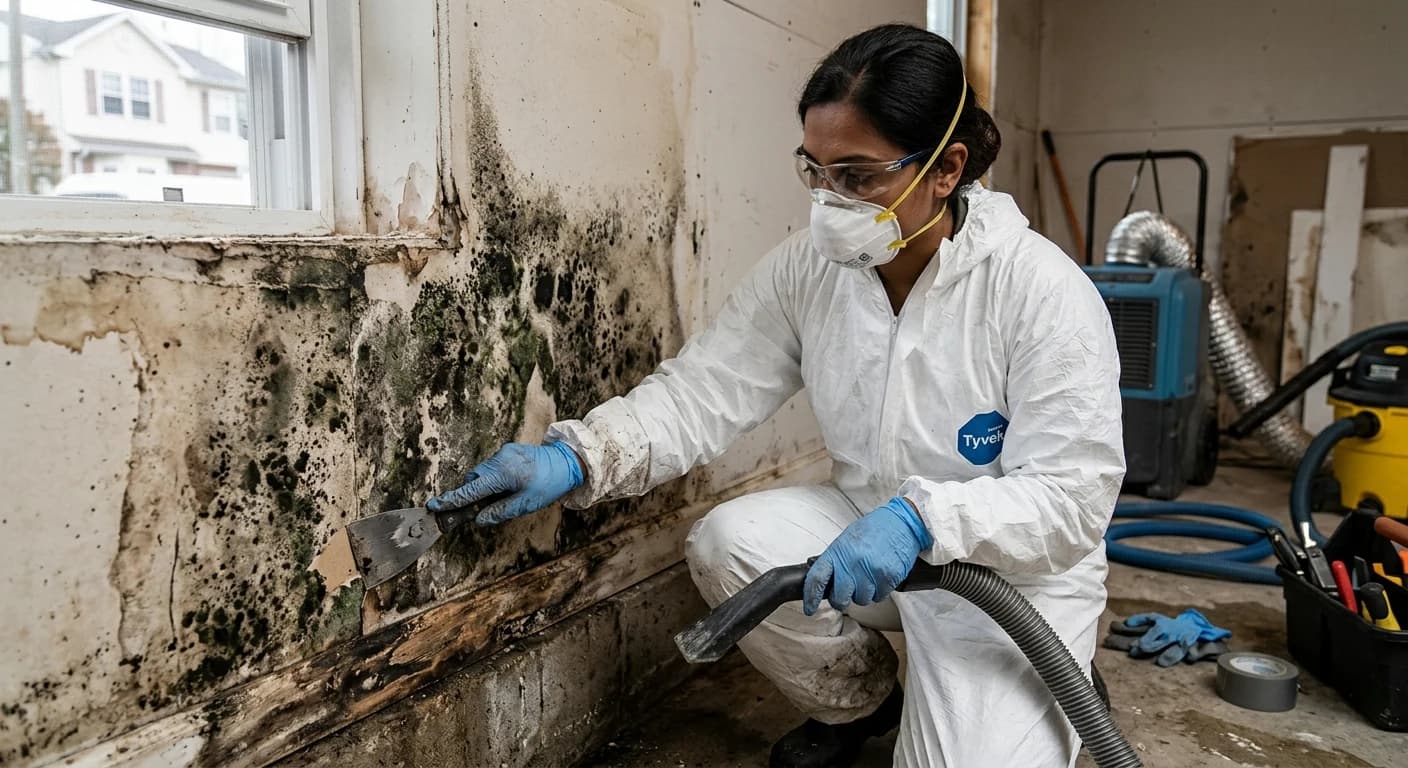
Yes, untreated water damage can lead to mold growth, which poses significant health risks including respiratory issues and allergies. Mold thrives in damp, dark conditions, commonly found in areas with persistent water damage such as basements, attics, and behind walls. Inhalation of mold spores can trigger asthma attacks, allergic reactions, and other respiratory complications, particularly in young children, the elderly, and those with pre-existing health conditions. In Fort Lee, NJ, where humidity levels can be high, it’s essential to address water damage promptly to safeguard your family's health. The presence of mold not only affects indoor air quality but can also lead to unpleasant odors that permeate the home. Regular inspections and prompt remediation are key to preventing mold proliferation. Learn more about our services.
How does untreated water damage affect property value?
Water damage left unaddressed can substantially decrease a home's value. Potential buyers are deterred by visible signs of damage such as stained walls, peeling paint, and musty odors, all of which indicate underlying issues. Moreover, the presence of mold and structural issues often lead to concerns about the potential costs and time associated with repair. In Fort Lee's competitive housing market, maintaining your home's condition is crucial for retaining its value. Homes with a history of water damage may also face increased insurance premiums or difficulties in obtaining coverage, further affecting their marketability. Regular maintenance and professional intervention can help restore and preserve property integrity, ensuring that your investment remains secure. By addressing water damage issues promptly, homeowners can avoid depreciation and maintain a favorable position in the real estate market.
What are the financial implications of ignoring water damage?
Ignoring water damage can lead to significant financial burdens over time. Initially, you might save money by not addressing the issue, but the long-term costs can be substantial. Small leaks or minor flooding, if left untreated, can escalate into severe structural damage, leading to costly repairs. For example, repairing a minor leak may cost a few hundred dollars, but if that leak leads to mold growth or structural damage, the expenses can quickly rise into the thousands. Insurance may not cover damage that results from neglect, leaving homeowners to bear the full cost. Additionally, untreated water damage can lead to increased utility bills. Water seepage can compromise insulation, causing heating and cooling systems to work harder, thus increasing energy costs. Regular inspections and early intervention can save significant amounts of money by preventing minor issues from becoming major problems. Investing in professional water damage restoration services can be a cost-effective strategy to maintain the integrity of your home and avoid unexpected expenses.
How can homeowners prevent water damage?
Preventing water damage requires a proactive approach to home maintenance. Start by regularly inspecting your home for signs of leaks, especially in areas prone to moisture such as basements, attics, and around windows and doors. Ensure that gutters and downspouts are clean and functioning properly to direct water away from the foundation. Installing a sump pump in the basement can also help manage excess water during heavy rainfalls. In addition, sealing cracks in the foundation and walls can prevent water intrusion. Consider installing water leak detection systems that alert you to potential issues before they escalate. It's also important to maintain your home's plumbing system by checking for leaks under sinks and around appliances. In regions like NJ, where weather conditions can be unpredictable, taking these preventive measures is especially crucial. By staying vigilant and addressing potential problems early, homeowners can protect their property from the costly and damaging effects of water intrusion.
What role does professional water damage assessment play?
Professional water damage assessment is crucial in identifying the extent of damage and formulating an effective remediation plan. Experts use advanced tools such as moisture meters and thermal imaging cameras to detect hidden water damage that might not be visible to the naked eye. This thorough inspection helps in determining the source of the water intrusion, whether it's from a leaky roof, burst pipe, or faulty appliance. In Fort Lee, where weather conditions can vary significantly, a professional assessment ensures that all potential vulnerabilities are addressed. Once the damage is assessed, professionals can recommend the most appropriate restoration techniques, such as dehumidification, mold remediation, or structural repairs. Hiring professionals not only ensures a comprehensive evaluation but also provides peace of mind that the remediation process will adhere to industry standards. Additionally, professionals can assist with insurance claims by providing detailed reports and documentation of the damage, streamlining the process for homeowners. By engaging experts early, homeowners can prevent further deterioration and safeguard their property effectively.
Why is timely intervention critical in water damage situations?
Timely intervention is essential when dealing with water damage to prevent escalation and mitigate further risks. Water damage can progress rapidly, turning a minor issue into a significant problem within days. For instance, mold can begin to grow within 24 to 48 hours in damp conditions, exacerbating health risks and complicating remediation efforts. Acting quickly can prevent mold proliferation and limit exposure to harmful spores. Additionally, prompt action helps in salvaging personal belongings and furniture that might otherwise become irreparably damaged. In cases where structural components are affected, immediate intervention can prevent severe degradation and maintain the integrity of the building. In regions like NJ, where weather patterns can lead to unexpected water intrusion, having a response plan ready can make all the difference. Timely intervention also aids in reducing restoration costs, as addressing problems early often requires fewer resources and less time. By prioritizing quick action, homeowners can protect their health, property, and financial investment from the adverse effects of untreated water damage.
What are the signs that water damage might be present?
Recognizing the early signs of water damage is crucial for timely intervention and prevention of further issues. Common indicators include discoloration on walls or ceilings, which often appear as brownish stains or patches. These stains suggest that water has seeped through the building materials, potentially leading to mold growth if not addressed. Peeling or bubbling paint and wallpaper can also signal water intrusion, as moisture causes adhesives to weaken. Additionally, musty odors are a telltale sign of hidden moisture and possible mold presence. Listen for unusual sounds, such as dripping or the sound of running water, which might indicate a hidden leak. Floors that feel soft, spongy, or warped underfoot could suggest water damage beneath the surface. In basements, be on the lookout for efflorescence, a white, powdery substance that forms when water evaporates and leaves mineral deposits behind. Regularly checking these areas, especially after heavy rains or snowmelt, can help homeowners in NJ and beyond catch and address water damage early, minimizing the risk of extensive repairs.
Why is it important to hire certified professionals for water damage restoration?
Hiring certified professionals for water damage restoration ensures the job is done efficiently and according to industry standards. Certified experts have the training and experience to accurately assess the extent of the damage and develop a comprehensive restoration plan. They use specialized equipment, such as industrial-grade dehumidifiers and air movers, to effectively remove moisture and prevent mold growth. Professionals are also skilled in identifying hidden water damage that might not be immediately visible, ensuring that all affected areas are addressed. This thorough approach prevents future issues and further deterioration of the property. Additionally, certified restoration specialists are knowledgeable about the latest techniques and safety protocols, reducing health risks associated with mold and bacteria. They can also assist with insurance claims by providing detailed documentation and evidence of the damage, streamlining the process for homeowners. In places like Fort Lee, where weather conditions can be unpredictable, having a trusted professional handle water damage restoration can give homeowners peace of mind and protect their investment. By entrusting the task to certified experts, homeowners can ensure a safe and effective restoration process.