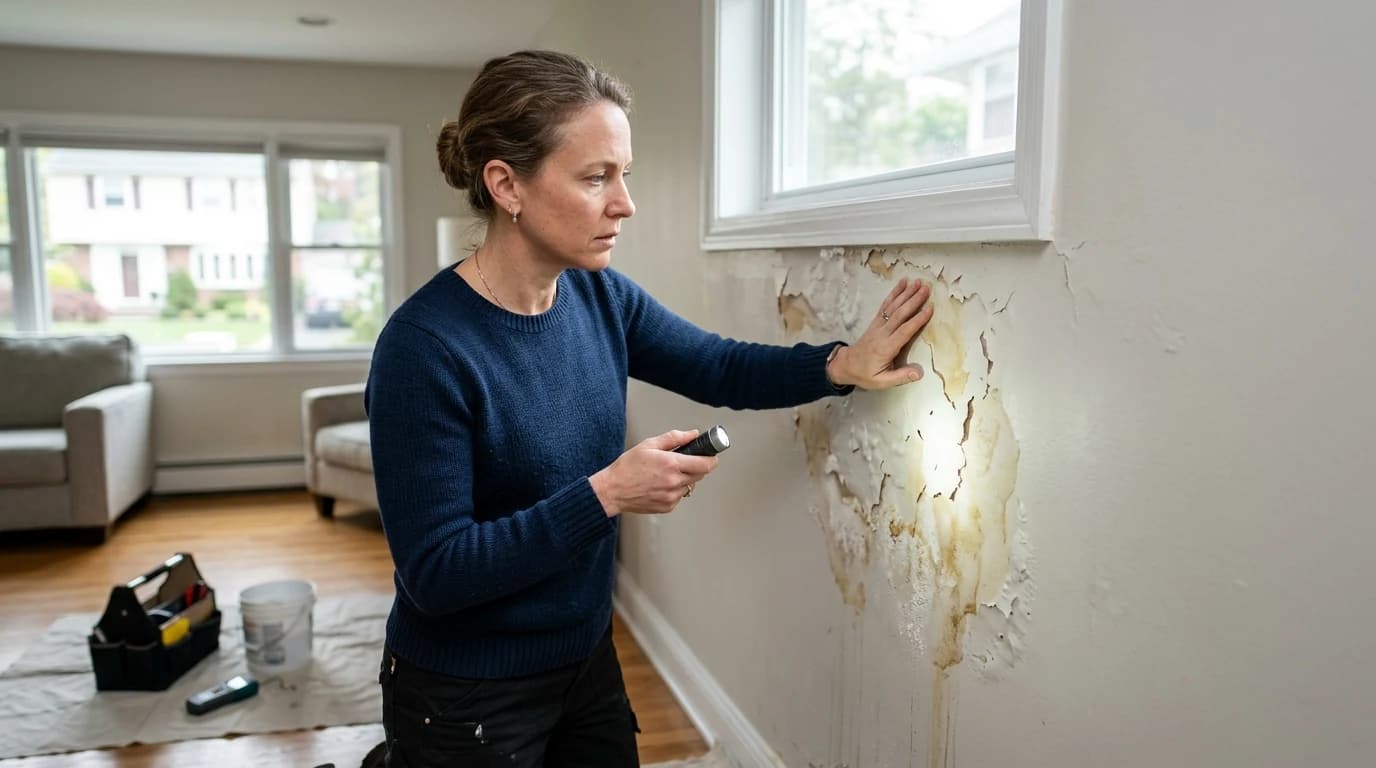
What are the common indicators of water damage?
Stains on walls or ceilings, musty odors, and peeling paint are common indicators of water damage. These signs often suggest that water has infiltrated areas of your home where it shouldn't be, potentially leading to structural issues or mold growth. By addressing these issues early, homeowners can prevent further deterioration and avoid costly repairs. In Fort Lee, it's crucial to regularly inspect areas prone to moisture like basements and bathrooms. The high humidity levels, especially during summer, can exacerbate these issues. If you notice any of these signs, consider consulting a professional to assess the extent of the damage and recommend appropriate solutions. Regular maintenance and prompt attention to these signs can significantly extend the lifespan of your home’s infrastructure.
How can you inspect your home for hidden water damage?
Conduct regular inspections, focusing on areas such as under sinks, around appliances, and near windows. Check for any discoloration or soft spots that may indicate water presence. Use a moisture meter to check for dampness in walls and floors, which is particularly useful in detecting hidden water damage that might not be visible to the naked eye. In Fort Lee, NJ, seasonal weather changes can exacerbate water damage issues, making it essential to remain vigilant year-round. For instance, melting snow in the winter can lead to unexpected leaks. It's advisable to inspect your attic for signs of leaks after heavy rain or snow. If unsure, contact a local expert to help identify potential problems. They can provide a comprehensive inspection using advanced tools and techniques that can identify issues before they become major problems. Contact us for an inspection.
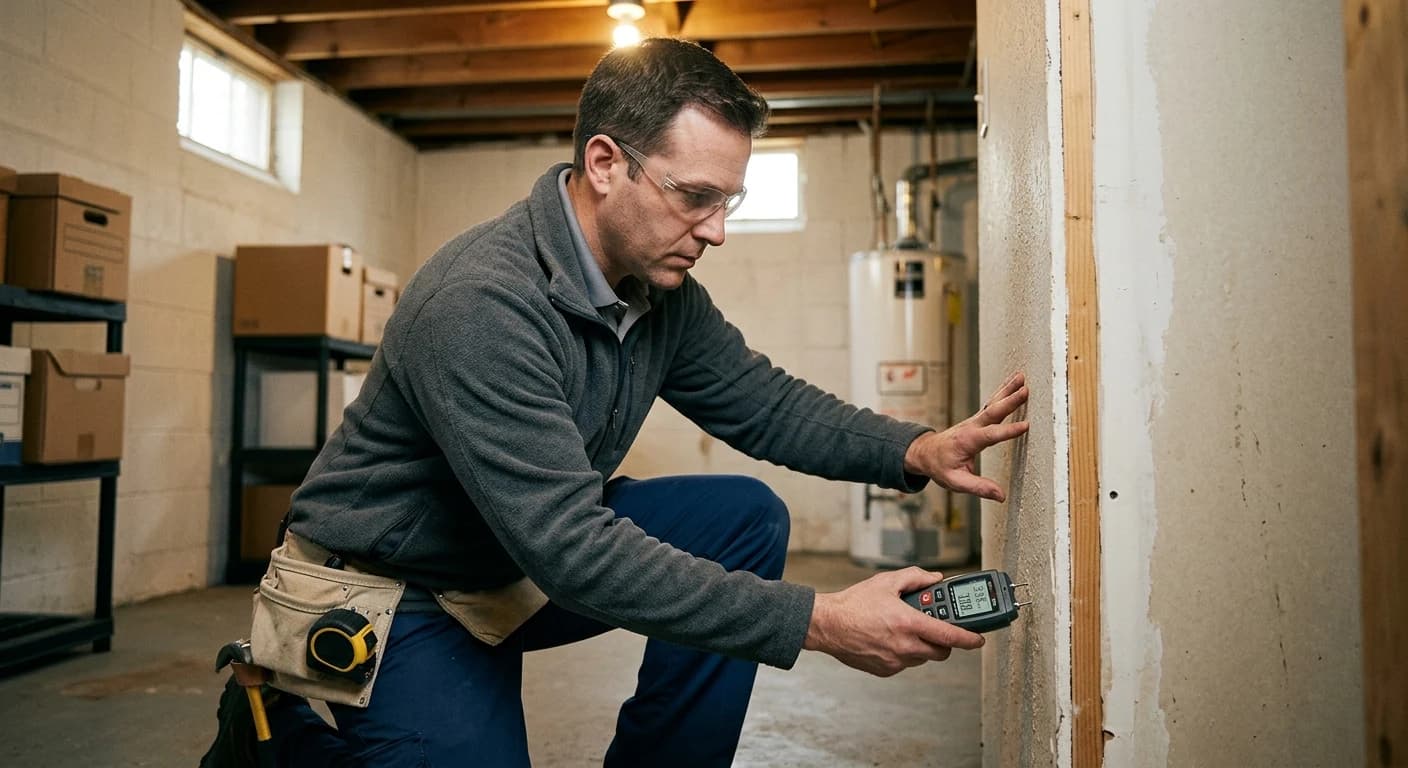
When should you call a professional for water damage?
If water damage signs persist despite DIY efforts, or if you encounter severe issues like flooding, it's time to call a professional. Quick action is key to minimizing damage and costs. Professionals have the expertise and equipment necessary to thoroughly assess and repair water damage, ensuring that your home is restored to a safe and habitable condition. Fort Lee residents can benefit from expert evaluations to ensure all water damage is properly addressed. Additionally, if you notice mold growth, it's critical to seek professional help, as mold can pose serious health risks. Professionals can not only remove the mold but also address the moisture problem to prevent future growth. Remember, the sooner you address water damage, the less extensive and costly repairs will be.
Preventive Measures to Avoid Water Damage
Taking proactive steps can significantly reduce the risk of water damage in your home. Start by ensuring your gutters and downspouts are clean and free of debris. Clogged gutters can cause water to overflow and seep into your home's foundation, leading to potential structural damage. Regularly inspect your roof for missing or damaged shingles, as these can allow water to penetrate into your attic or walls. Install a sump pump in your basement, especially if you live in an area prone to flooding, like certain parts of New Jersey. A sump pump can efficiently remove excess water and prevent basement flooding. Additionally, consider installing water leak detectors near appliances and in areas prone to leaks. These devices can alert you to potential issues before they become severe. Lastly, ensure your home is adequately insulated to prevent condensation, which can lead to mold and mildew growth. By implementing these preventive measures, you can protect your home from the costly and damaging effects of water intrusion.
Understanding the Impact of Water Damage on Home Value
Water damage can have a significant impact on your home's value, making it crucial to address any issues promptly. Potential buyers are often wary of homes with a history of water damage, as it can indicate underlying structural problems or ongoing moisture issues. To maintain your home's value, it's important to not only repair visible damage but also address the root causes. This might involve waterproofing your basement, repairing leaks, and ensuring proper ventilation to prevent future problems. Regular maintenance and timely repairs can reassure prospective buyers that your home is well-cared-for and free from hidden issues. Moreover, documenting all repairs and maintenance efforts can provide transparency and peace of mind to buyers, potentially enhancing your home's marketability. If you're planning to sell your home, consider getting a professional inspection to certify that your property is free of water damage. This proactive approach can help preserve your home's value and ensure a smoother transaction process.
How Climate Affects Water Damage Risk
Climate plays a significant role in the risk and severity of water damage in homes. In regions with high humidity, like parts of New Jersey, moisture can seep into walls and floors, leading to mold growth and structural issues. It's crucial for homeowners in such areas to be particularly vigilant about inspecting their homes for early signs of water damage. Seasonal weather changes, such as heavy rains in the spring or melting snow in the winter, can exacerbate these risks. To mitigate potential damage, ensure that your home is well-sealed against the elements. This includes checking that windows and doors are properly sealed and that your roof is in good condition to prevent leaks. Additionally, consider using dehumidifiers during particularly humid months to reduce indoor moisture levels. Regularly checking your home’s exterior for signs of wear and tear can also help prevent water from finding its way inside. By understanding the impact of climate on water damage, you can take proactive steps to protect your home year-round.
The Role of Insurance in Water Damage Restoration
Understanding your homeowner’s insurance policy is crucial when dealing with water damage. Not all types of water damage are covered by standard policies, so it's important to know what is included and what is not. Typically, sudden and accidental water damage, such as burst pipes, is covered, whereas gradual damage, like slow leaks, might not be. In Fort Lee, where weather conditions can lead to unexpected water issues, it's wise to review your policy regularly and consider additional coverage if necessary. Flood insurance is often a separate policy and may be essential for homes in flood-prone areas. When filing a claim, document all damage thoroughly with photos and detailed descriptions. Promptly report the damage to your insurer and keep records of all communications. It's also beneficial to work with a professional water damage restoration company that can provide detailed assessments and reports to support your claim. By being informed and prepared, you can ensure a smoother recovery process and financial protection in the event of water damage.
Long-term Effects of Unaddressed Water Damage
Ignoring water damage can lead to significant long-term consequences for homeowners. Over time, even minor leaks can cause structural damage to your home, compromising its integrity and safety. Wood components, such as beams and flooring, can rot, leading to costly repairs or even requiring complete replacement. Additionally, persistent moisture creates a perfect breeding ground for mold and mildew, which can spread rapidly and pose serious health risks to occupants, particularly those with respiratory issues. Mold can also cause unpleasant odors that are difficult to eliminate, affecting the overall comfort and livability of your home. Furthermore, unchecked water damage can lead to electrical hazards if water comes into contact with wiring or electrical systems, increasing the risk of fires or electrocution. To prevent these long-term effects, it's essential to address water damage promptly and thoroughly. Regular inspections, timely repairs, and professional assessments can help mitigate risks and preserve the safety and value of your property. By taking proactive measures, you ensure a healthier living environment and protect your investment in the long run.
Choosing the Right Water Damage Restoration Service
Selecting a reliable water damage restoration service is crucial for effectively managing and repairing damage in your home. Start by researching local companies and reading reviews to gauge their reputation and customer satisfaction. It's important to choose a service that is licensed, insured, and certified by industry standards, such as the Institute of Inspection, Cleaning and Restoration Certification (IICRC). This ensures that the technicians are trained and equipped to handle various types of water damage scenarios. When contacting potential services, inquire about their response times, as prompt action is critical in minimizing damage. Ask about their experience with similar cases, particularly if your home has unique challenges, such as historical architecture or specific materials. Additionally, a reputable company should provide a detailed estimate and explain their process clearly, including the steps they will take to restore your home. In Fort Lee and similar areas, it's beneficial to choose a service familiar with local climate conditions and common water damage issues. By carefully selecting a qualified restoration service, you can ensure a thorough and efficient recovery process, restoring your home to its pre-damage condition.